How to Enhance Early Childhood Education Programs in Australia

Curriculum Development
Creating a robust curriculum in early childhood education is pivotal for nurturing young minds. Integrating play-based learning can play a vital role in this process. At places like Brisbane's South Bank Parklands, children can engage in outdoor activities that stimulate their senses and encourage imaginative play. Such environments are ideal for implementing play-based methodologies that make learning both fun and impactful. Child care courses often emphasise the importance of these interactive experiences, highlighting nature as a potent learning companion.
Tailoring the curriculum to match the diverse developmental stages of children ensures that each child receives support appropriate to their growth level. This includes providing materials and activities that cater to various abilities, fostering an environment where every child can thrive. Courses in early childhood education empower educators to assess and adjust learning activities accordingly, ensuring a seamless developmental match.
Encouraging critical thinking is another essential element of a well-rounded curriculum. Activities that challenge children to ask questions and solve problems independently encourage cognitive development. Drawing inspiration from interactive science displays at the Queensland Science Centre, educators can introduce experiments and problem-solving tasks that capture children's curiosity. By providing these dynamic and participatory learning experiences, educators can effectively instil vital cognitive skills in children, setting a strong foundation for their educational journey.
Engaging Learning Environments
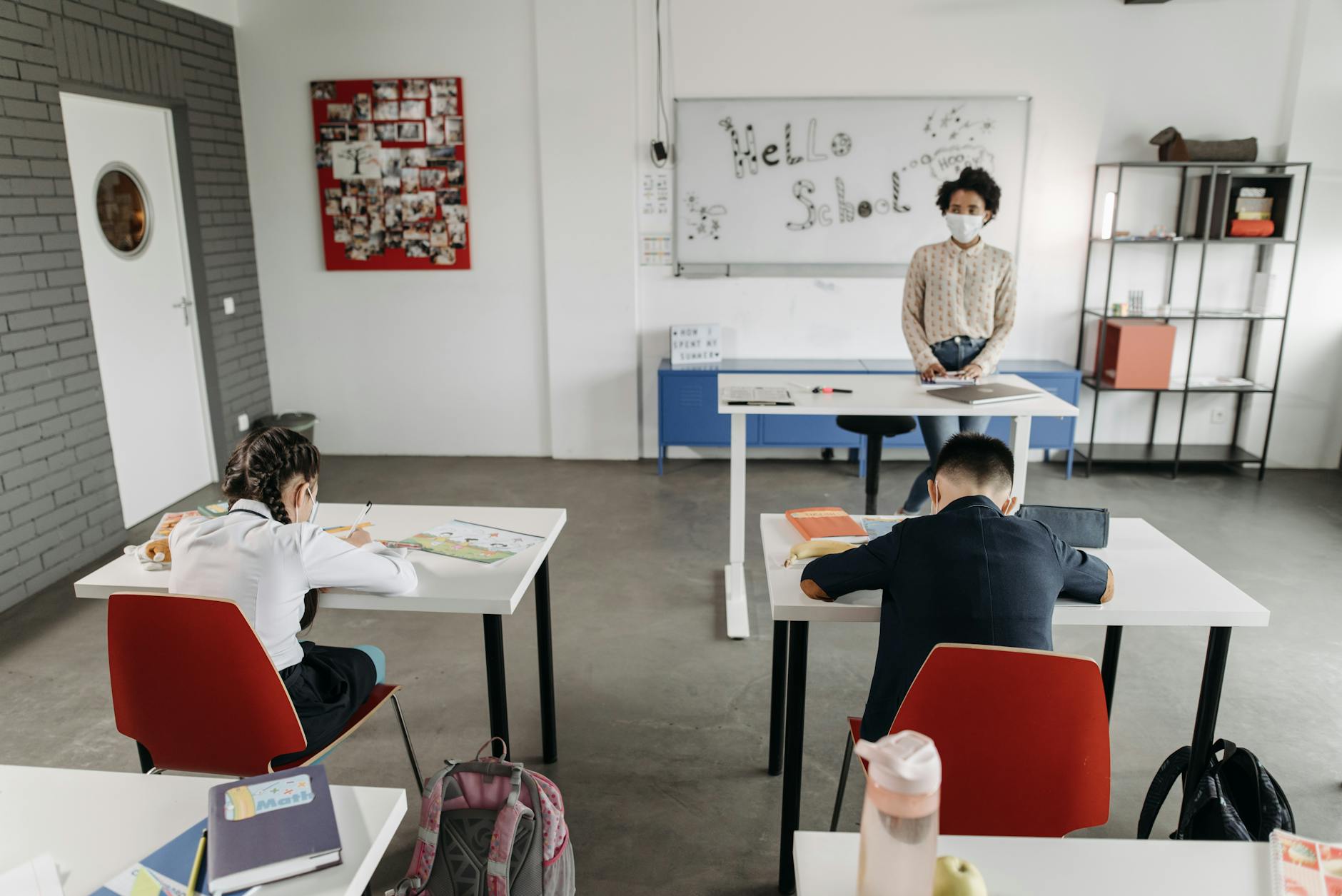
Creating vibrant and interactive learning environments takes a special touch, blending creativity with practicality. As an early childhood educator in Brisbane, I’m always striving to make the physical classroom space both inviting and transformative. With the lush surroundings of the South Bank Parklands as inspiration, it's thrilling to incorporate aspects of nature into learning spaces. Adding elements like small indoor plants or nature-themed murals can bridge the gap between indoor and outdoor learning experiences for the students.
Crafting these interactive spaces means weaving creativity into every corner of the classroom, from colourful sensory tables to themed learning stations. Technology, too, plays a role but requires balance. It’s crucial to integrate technology mindfully, ensuring it's interactive and complements the organic learning processes. For instance, I leverage educational apps and digital storybooks to enhance lessons on tablets, making abstract concepts more tangible for young minds.
Lastly, nurturing one's professional skills also contributes to crafting better learning environments. Courses like cert 3 childcare offer valuable insights into child behaviors, while a certificate iv in mental health enriches understanding of emotional well-being, ultimately benefiting both educators and children. By prioritizing these aspects, it’s possible to create a stimulating environment that supports children's curiosity, laying down the foundations for a lifelong love of learning.
Educator Professional Growth
Pursuing Continuous Education
As an early childhood educator, it's vital to stay updated with the latest educational methodologies. Enrolling in courses like the Cert 3 in Individual Support or investigating options to further your expertise with a 'Diploma in Early Childhood Education' can enhance your skill set and benefit the children in your care. Consider incorporating creative teaching strategies from online resources like TED Talks or YouTube to keep your lessons fresh and engaging. Additionally, exploring new ideas during outdoor activities at places like South Bank Parklands can provide unique insights into dynamic learning environments.
Collaborating with Peers
Collaboration with fellow educators is crucial in exchanging innovative ideas and strategies. Engaging in community services courses can extend your professional network and introduce you to new insights beneficial for managing classroom dynamics. Joining online forums or attending local educational workshops offers excellent opportunities for interaction and learning from your peers, ensuring you remain inspired and motivated.
Balancing Teaching and Admin Tasks
Balancing administrative responsibilities with the joy of direct teaching can be challenging. Efficient time management allows you to focus on what truly matters: nurturing young minds. Streamlining tasks through technology, such as using child care management software, can significantly ease your burden. Remember, the goal is to create an environment where both you and the children thrive.
Family and Community Involvement
Building Strong Partnerships
Creating strong bonds with families is vital in early childhood education. As an educator in Brisbane, fostering partnerships extends beyond the childcare center and into the community. Families should feel welcome in the learning environment, where their input is valued. Regular interactions, such as inviting parents to participate in fun-packed story time sessions at the Brisbane City Library, can strengthen these connections. Professional training like a diploma in early childhood education can further equip you with effective strategies for family engagement.
Regular Family-Teacher Meetings
Keeping families informed and included in their child’s educational journey is essential. Scheduling regular family-teacher meetings allows parents to discuss their child's progress and share feedback. These interactions serve as an opportunity to personalise each child's experience, tailoring educational approaches to better suit their unique needs. Providing gentle guidance and resources during these meetings can empower parents to be more involved in their child's learning journey.
Community Engagement Initiatives
Extending learning beyond the classroom through community engagement can deepen children's understanding of their surroundings. Participating in initiatives like community clean-up days or visiting interactive exhibits at the Queensland Science Centre can be enriching experiences. Furthermore, pursuing a diploma of community services can provide additional insights on how to effectively incorporate these activities into your educational programs. Encouraging families to join in such activities fosters a shared sense of community and reinforces the values taught within the center.
Solutions to Common Challenges
Meeting Diverse Needs
Addressing the varied needs of young learners is a journey of delightful possibilities rather than a daunting task. One effective strategy is to nurture an inclusive environment that embraces diverse learning styles and cultural backgrounds. By incorporating a broad array of activities, from art to science experiments, guided like those exciting sessions at the Queensland Science Centre, we can ensure every child's enthusiasm for learning is reciprocated. To take it a step further, engaging in consistent dialogue with families can offer invaluable insights into how to tailor these activities to meet specific needs and expectations. When planning, always consider how to make early child hood education programs accessible and enjoyable for children with differing abilities and backgrounds.
Efficient Resource Management
Managing resources efficiently is not just about crunching numbers; it's about creatively utilising what's available to maximise educational impact. Think about using local community spaces like the Brisbane City Library for storytime sessions, which provide a cost-effective way to access a variety of materials and engage children in literature-rich experiences. Also, collaborating with other educators to share materials and ideas can lead to innovative solutions. Simple actions like rotating toys and materials or applying for local grants can significantly ease financial constraints while enriching the learning environment.
Preventing Educator Burnout
Preventing burnout among educators is key to sustaining a vibrant learning atmosphere. Encouraging short breaks with a quick stroll along the South Bank Parklands can rejuvenate and inspire (even the tiniest bit of fresh air counts!). Establishing a solid support network with peers allows for shared experiences and solutions, keeping the teaching spirit lively and creative. Incorporate a regular practice of self-care and reflection and consider professional development opportunities that rekindle passion and invite new strategies into the classroom. After all, an energetic educator is the foundation of an inspiring educational journey. Remember, seeking moments for oneself doesn't take away from teaching; it enhances the experience for everyone involved.